 QUEST ADVISINGText Max (210) 880-5690
Should you hire a COO, or get outside help first?
For the owner of a $5M to $15M company who still runs the day.
The estimates, the hires and the fires still come to you. What you want is to be "gone for a month and not worry about anything". A COO sounds like the answer.
It depends on which gap you have. If the plan is clear and you need a person to run it, hire the COO. If you cannot yet write down what that person would decide without you, get the plan and the job clear first, or the new COO ends up waiting on you like everyone else.
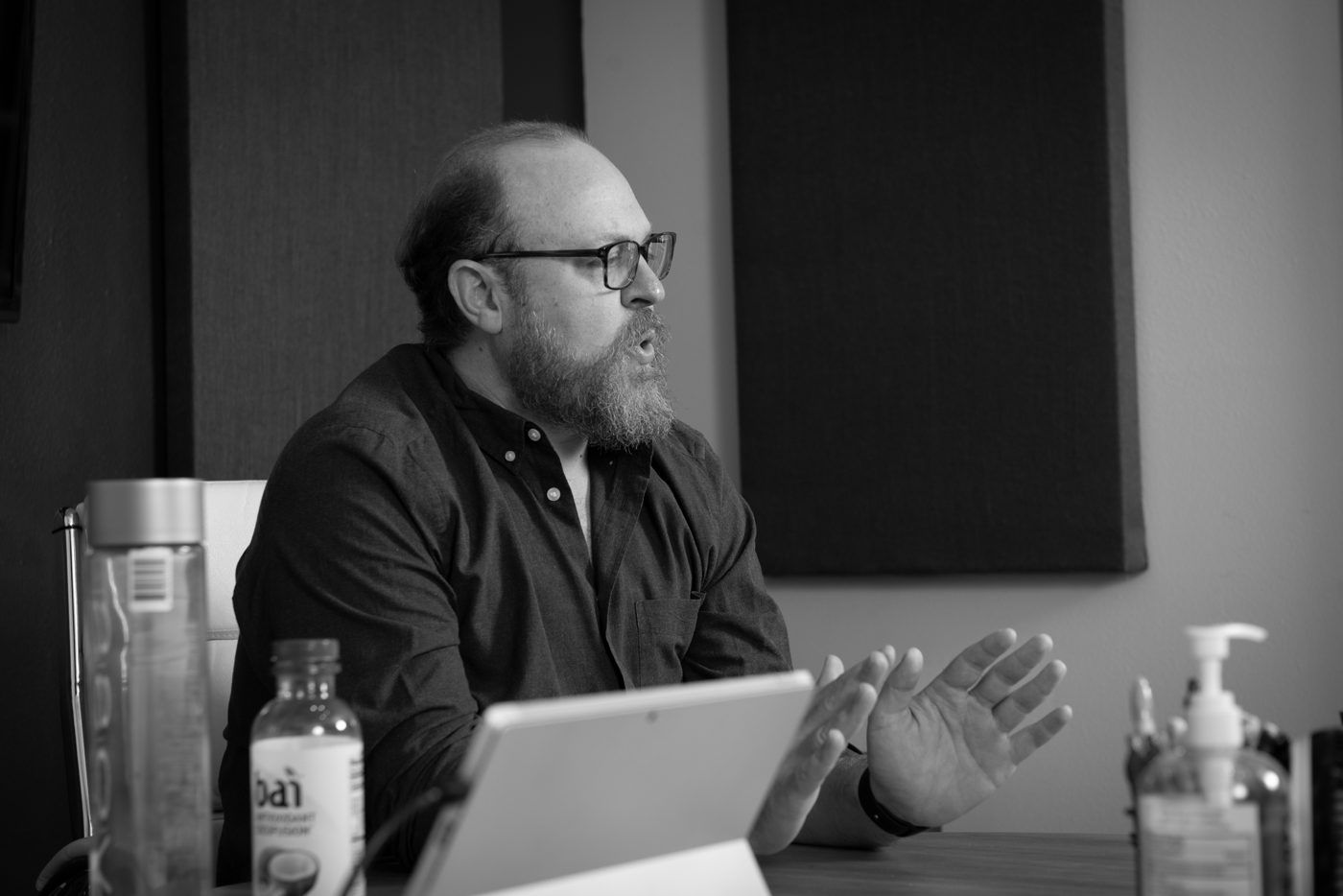
By the end of this page you can tell which gap you have and what to check before you pay a senior salary, without being sold one answer. Quest Advising has a side too. It is Max Kozlovsky, an advisor who sits beside the owner. So this page also says where he is the wrong hire.
If you would rather talk it through than read, start a conversation with Max. A text or a short message is enough. You say what is going on in your own words, and he asks the questions. Nothing to prepare.
Runs the day-to-day operation, every day, and answers to you.
Does the same job part time, usually for more than one company.
Sits next to the owner, across the whole business, and checks your thinking before you act on it. This is the place Max takes.
You run the day and the direction both
Two jobs are yours right now. One is the day: the estimates, the hires, the fires. The other is the direction: where the company is going and what it needs to get there.
Neither gets your full attention. The day's problems cannot wait, so they get your time, and the direction gets put off until a quiet week. Owners your size say it this way: "The whole load is on my shoulders."
So the pull to just hire a person to run it is fair. It fixes a real gap. The question is whether that is the gap you have.
Why a COO hire can land back on you
When that happens, the person is not always the reason. Four things tend to sit behind it, and each was a reasonable move at the time.
The job was never written down. You hired for "run operations", and the two of you meant different things by it.
The COO reports to you. That is how it should be. But if your plan is not clear, their job will not be clear either.
The team still walks past the COO to you. They have brought you their questions for years, and you answer because it is faster.
You overrule the first hard call. You know the customer and the history, so it feels right, and after that the COO checks with you first.
Two owners who worked with Max
Tell Max what is going on in a sentence or two, and where you are on the COO question. He reads it himself and texts or calls back, typically the same day, or early the next.
What each one is for
A full-time COO
A COO is the executive who runs the day-to-day operation and answers to the owner. Full time, they are there every day, and the team has a person to go to who is not you. It is the right hire when the plan is clear and what you need is a person to run it.
The limit: a COO runs the plan they are given. They report to you, so telling you the direction is wrong is not their job.
A fractional COO
The same job, part time, usually for more than one company. It is one senior job, and that person is in the business more days a month than any advisor. It is the right call when you can name the gap: nobody owns operations.
The limit: a fractional hire is staff. They build and run their part of the business well. They do not look across the whole business, and they report to you.
Outside help beside you
This is an advisor, and it is the place Max takes. He sits next to the owner, across the whole business. It fits when nobody near you will check your thinking before you act on it, or when you cannot yet say what a COO would decide without you. When it works, the plan is one your team can say back to you, and a COO can be hired into it.
The limit: he is one person, not a peer group, and not the industry expert. He does not run your operation. If the gap is a person to run the day, an advisor alone is the wrong hire, and Max says so.
Which one comes first
| Hire the COO first when | Get outside help first when |
|---|---|
| You can write down what they will decide without you | You cannot yet say what they would decide |
| You can say where the company is going in a sentence | Where the company is going is the open question |
| The gap is hands to run the day | The gap is nobody near you to check your thinking |
| You are ready to let their decisions stand | Your earlier number two ended up waiting on you |
| The company can pay a senior person through a slow quarter | You want the job clear on paper before you pay a senior person |
One owner's list, sorted
This owner is made up. It is the kind of list an owner writes when he pictures the hire, with a plain note on whose job each line is.
- Run the crews and the scheduleA COO's job. This is the day.
- Deal with the manager who is not working outA COO's job, if you let the call stand.
- Stop the team bringing me every questionBoth. The COO takes the questions, and only you can stop answering them.
- Decide whether we open a second locationYours, whoever you hire. A COO can tell you what it takes to run it.
- Tell me when I am wrongNot a COO's job. They report to you.
It starts with fifteen minutes. At the end you both know if it is worth sitting down for longer.
Before you hire a COO
Five checks. They work whoever you end up hiring.
Can you write down what they decide without you? If every line ends in "but check with me first", the job is not ready to hire for.
Have you told the team? They need to hear from you that their questions go to the COO now.
What happened to the last number two, and why? If the answer is only about that person, look again before you hire the next one.
Can the company pay for a senior person through a slow quarter? Check it against a bad quarter, not a good one.
Can you say where the company is going in one sentence? A COO needs that sentence to know where to take the company.
The short version
- If the plan is clear and you need a person to run it, hire the COO. If you cannot yet write down what that person would decide without you, get the plan and the job clear first.
- A full-time COO runs the day every day. A fractional COO does it part time. Both report to you.
- An advisor checks your thinking. He does not run your operation.
- Many owners do both, in that order: the plan and the job first, then the COO.
- Run the five checks before you pay a senior salary.
This page is useful even if you never talk to Max. The list and the checks work with any COO or any advisor. If you want to talk it through with him, start a conversation, or text him.
Questions owners ask
What is the difference between a COO and a fractional COO?
The job is the same: run the day-to-day operation and answer to the owner. A full-time COO does it every day for one company. A fractional COO does it part time, usually for more than one.
When is a company big enough for a COO?
Size is not the test. The checks above are: you can write down what a COO decides without you, the company can pay a senior person through a slow quarter, and you can say where the company is going in a sentence.
I hired a number two before and it did not work. Why would it now?
It would not, if nothing else changes. Look at last time: was the job written down, did the team keep coming to you, did you overrule the first hard call. Fix whichever one it was before you hire again.
Can a business advisor run my operations?
No. An advisor sits beside the owner and does not run your operation. If the gap is a person to run the day, an advisor alone is the wrong hire.
Can I do both?
Yes, and many owners do, in order. Get the plan and the job clear first, then hire the COO into it.
I just want someone to run it so I can step back. Is that wrong?
No. It is a fair thing to want. It holds when the job is written down, the team knows whose call it is, and you let that person's decisions stand. Without those, you step back and the questions follow you.
A COO is one kind of help among several. Who to hire between $5M and $50M has the full map of options.
Not sure which gap you have? Say what is going on.
Text Max or pick a time, and say what is going on in your own words. He asks the questions and tells you either way whether this is his kind of problem. If what you need is a COO, he says that.
If it is not a fit, he says so and that is the end of it, no follow-up.
He reads it himself and texts or calls back, typically the same day, or early the next. Nothing to prepare.